
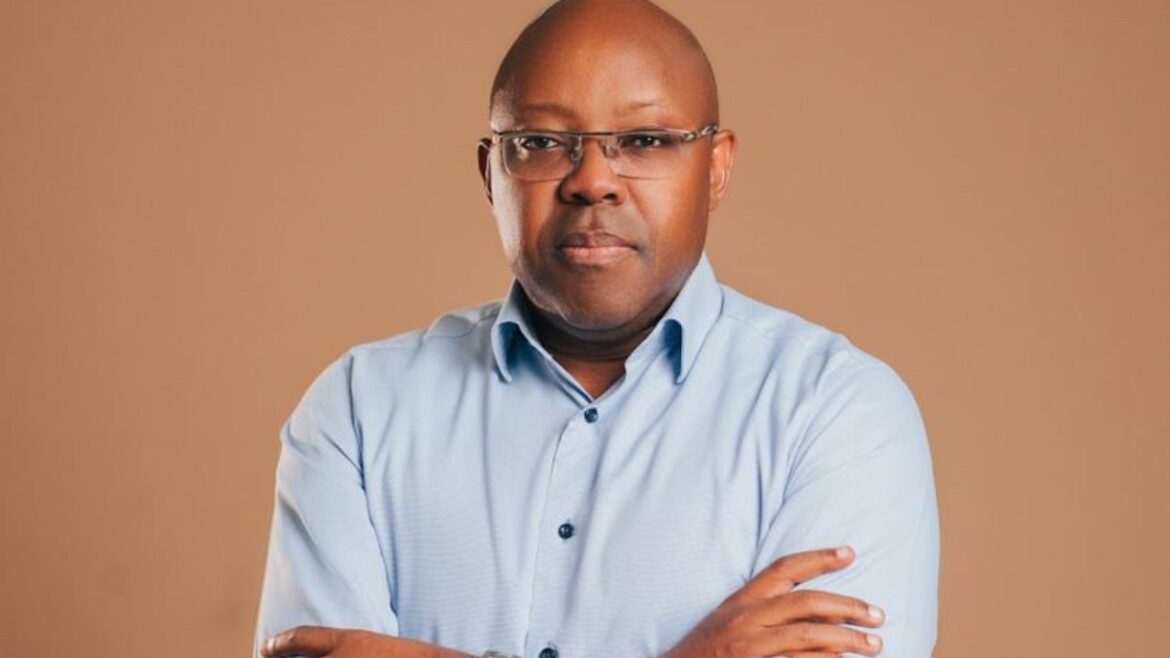
The final session of the Naija7Wonders Zoom Conference 3.0 did not end with applause alone—it ended with a pause, the kind that makes people sit back and rethink everything they thought they knew. As George Uriesi, Acting MD/CEO of Ibom Air, took the virtual floor on April 2, 2026, there was already a quiet anticipation in the room. The conversations had been intense all day, but this felt different. This felt like the moment where truth would land—clear, direct, and impossible to ignore.
He began calmly, almost conversationally, drawing from his experience with global tourism systems. He spoke about Cape Town—a city that once struggled with seasonal tourism, where life and business peaked for six months and went quiet for the rest of the year. Then came a deliberate intervention: the building of a world-class convention centre. That single move, he explained, changed everything. Tourism became all-year-round. People came for conferences, stayed for experiences, and returned with others.
That was the anchor.
And then, without raising his voice, he brought it home.
Nigeria, he said, has something even more powerful—but far less structured.
“Detty December,” in his words, is not the result of strategy. It is luck.
You could almost feel the shift in the room.
He described it plainly: a phenomenon born from energy, youth culture, and diaspora movement—not from planning. Nigerians abroad came home, joined the vibe, enjoyed the experience, and then told others. Before long, the movement grew wings of its own.
“Wetin we really do to create am?” his tone seemed to ask. “Nothing.”
Yet, despite that lack of structure, the country still wins—at least on the surface. Hotels fill up, events sell out, and flights are overbooked. The energy is undeniable. Lagos, especially, becomes a magnet.
But beneath that excitement, Uriesi revealed a deeper truth: most of this movement is not even foreign tourism.
It is Nigerians coming home.
According to him, what Nigeria currently experiences is largely domestic and diaspora-driven travel, with only a small percentage of true international leisure tourists. While the country thrives on its natural vibrancy, it still struggles to position itself as a deliberate global destination.
“If person dey plan holiday for Africa,” his reflection implied, “Nigeria no dey top the list.”
Instead, destinations like Ghana, Rwanda, and South Africa continue to attract structured tourism flows—places where systems work, experiences are curated, and visitors feel welcomed from arrival to departure.
And that word—experience—became the heartbeat of his message.
He painted a vivid picture of the Nigerian arrival point: the airport. For many travelers, especially first-timers, it is their first real encounter with the country. And yet, what greets them is often confusion, delays, and unnecessary friction.
“It should be a welcome,” he stressed in essence, “not wahala.”
From multiple checkpoints to inconsistent processes, he described an entry system that undermines the very experience the country hopes to sell. Even with new infrastructure, the old habits persist. The result? Visitors may enjoy the destination, but hesitate to return.
And still, they come.
That, he insisted, is Nigeria’s luck.
But luck, he warned, is not a strategy.
Turning to aviation, Uriesi spoke candidly about the realities airlines face during Detty December. With limited fleet sizes, even minor disruptions can cascade into major delays. It is not always about inefficiency, he explained, but capacity.
“A small airline na struggle,” he implied, breaking it down in practical terms. Without enough aircraft, reliability becomes fragile. One issue can disrupt an entire schedule. And during peak periods like December, when emotions and expectations are already high, even small delays feel magnified.
Yet, despite these constraints, airlines continue to play a critical role—moving people from international gateways like Lagos and Abuja into cities such as Uyo, Calabar, and Port Harcourt, extending the Detty December experience beyond its core hubs.
Still, the gaps remain.
From airports to airlines, from hospitality to events, his central argument echoed clearly: Nigeria’s tourism value chain is fragmented.
Everyone is operating—but not together.
And that fragmentation, he warned, is costing the country more than it realizes.
“Imagine if we plan am well,” his message suggested. “Imagine if everything connected.”
The room, though virtual, felt still. Cameras stayed on. Heads nodded. Some participants leaned closer to their screens, as if not to miss a word.
Because what Uriesi was offering was not criticism—it was a roadmap hidden inside a reality check.
He acknowledged the magic of Detty December. The vibe, the culture, the pull—it is real. It is powerful. It is uniquely Nigerian.
But for it to evolve from a seasonal buzz into a sustainable tourism force, it must move from chance to design.
From luck to system.
From scattered wins to shared value.
As the session drew to a close, his final thought lingered like a quiet challenge:
If Nigeria can achieve this much without planning, what happens when it finally gets it right?
Because the potential is not in question.
The opportunity is already here.
Now, the real work is to build it properly, intentionally, and in a way that ensures that when the next traveler arrives and asks, “Wetin dey happen for here?”, the answer is not just energy…
…but excellence.


