
Nigeria’s Detty December may look like an endless party from the outside. Still, behind the scenes, the festive boom is stretching the country’s hospitality ecosystem to its limits, forcing operators into tough, sometimes unpopular decisions.
This reality took centre stage at the Naija7Wonders Zoom Conference 3.0, hosted by Ambassador Ikechi Uko, organisers of the Akwaaba African Travel Market, where key tourism and hospitality stakeholders gathered to assess how December travel, food, and entertainment surges are reshaping business realities across Nigeria.
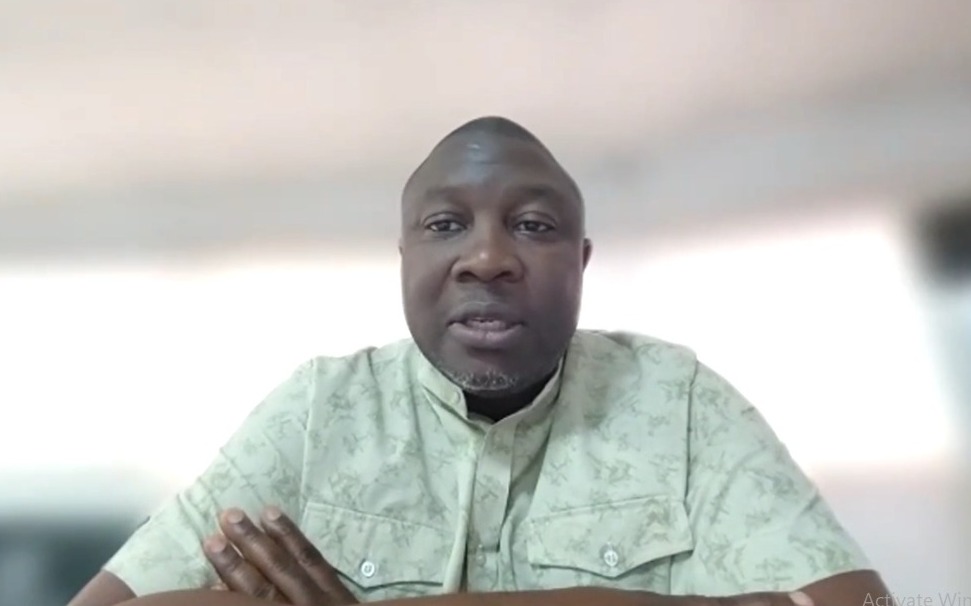
Speaking at the forum, the Founder of Lion Hospitality Partner and Group CEO of Wakanow offered a rare, candid look at what it took to keep up with the demand during Detty December—and why price increases may be unavoidable if Nigeria fails to plan ahead of the 2026 festive season.
When Demand Overruns Supply
Responding to public criticism over festive-season price hikes, the hospitality executive argued that the issue goes far beyond profit-taking.
“As a businessman, I will be honest with you. If demand exceeds supply, we would have to raise prices. That is the reality,” he said. “You cannot judge a business only by what happens in December without understanding the losses we absorb during the rest of the year when facilities are half empty.”
According to him, many hospitality businesses operate at reduced capacity for most of the year, relying heavily on December revenues to survive the lean months that follow.
200 Rams a Week: A Measure of Pressure
To illustrate just how intense the pressure became, he shared figures from his food and entertainment operations, which span Wave Beach, Athena Beach, Kyma Beach, Unda Lounge, Lion Wonder Arena (Alausa, Egbeda, and Ikorodu), and Doo & Shima Beach House.
“My suya man used to do about 30 rams a week. In December, we were killing about 200 rams every week,” he revealed.
The surge was so dramatic that suppliers reportedly visited the outlets out of concern.
“They thought maybe we were doing some kind of sacrifice,” he added. “That was how intense the demand was.”
Faced with constant shortages, operators had little choice but to increase prices—not just to improve margins, but to slow consumption and manage limited supply.
“We had to raise prices to draw back the demand, or we would keep running out completely. The laws of demand and supply are real.”
January Reality Check
While December appears highly profitable, the aftermath tells a different story. The hospitality executive noted that by January, demand drops by nearly half, leaving operators struggling to meet wage bills and operational costs.
“In January, paying salaries was tough. We paid because we are a responsible business, but we had to rely on what we made in December to survive January.”
Despite best efforts, the sharp decline in patronage eventually led to staff layoffs, a reality he described as unavoidable once demand disappeared.
Planning Ahead for 2026
Discussions at Naija7Wonders 3.0 focused on how Nigeria can avoid repeating these capacity challenges by expanding supply across aviation, hospitality, food logistics, and staffing well ahead of the next festive cycle.
The Lion Hospitality founder urged investors and policymakers to move beyond seasonal reactions and adopt long-term planning.
“Everybody listening should look for ways to invest so there is more supply. Without more supply, everyone will have to raise prices.”
A Tourism Opportunity That Needs Structure
Participants at the conference agreed that Detty December has matured into a powerful tourism driver for Nigeria, drawing international attention and revenue. However, sustaining its growth will depend on early planning, stronger supply chains, and deliberate investment long before December arrives.
As conversations at Naija7Wonders 3.0 made clear, the future of Detty December—and Nigeria’s wider tourism economy—will be defined not just by demand, but by how well the country prepares to meet it.
By Samuel Opoku


