
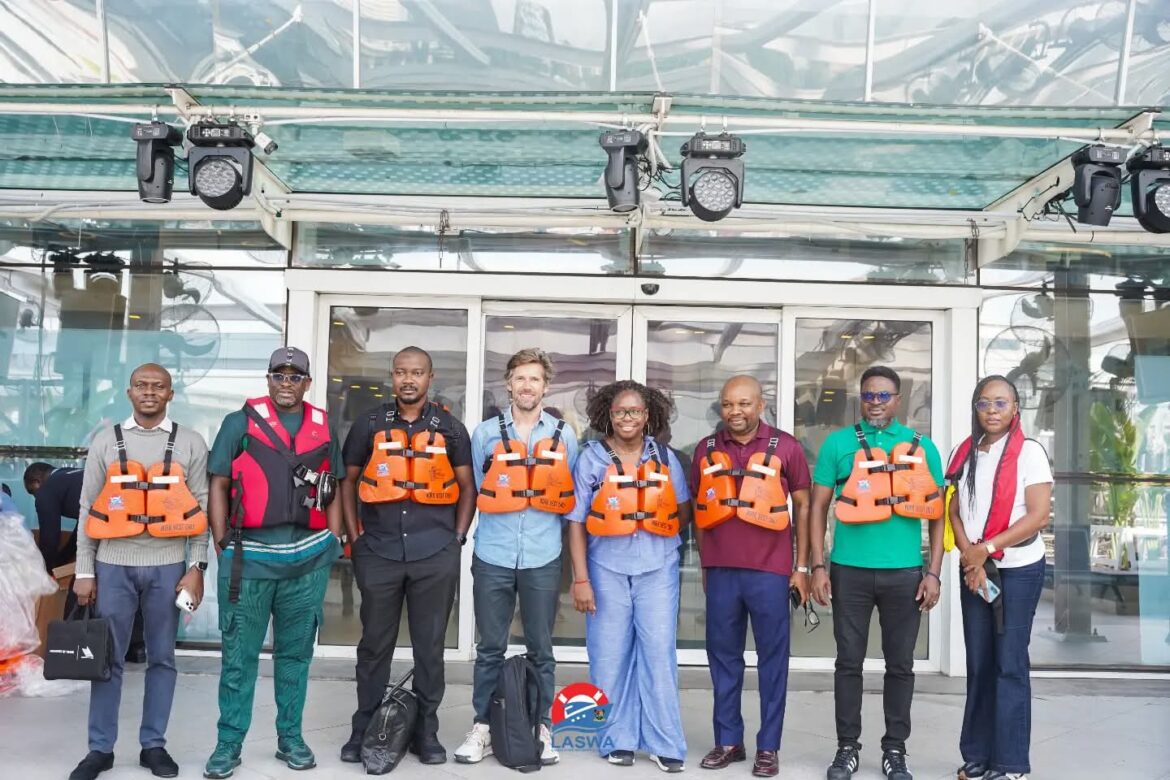
A high-level delegation from the European Union has visited key waterfront locations in Lagos to assess the proposed OMI EKO Project, underscoring growing international interest in the state’s efforts to develop an integrated and sustainable urban transport system.
The delegation, which included two Deputy Director-Generals of the European Union, joined officials of the Lagos State Waterways Authority (LASWA) for a site inspection and boat tour of the Lagos Lagoon, visiting the proposed Mile 2, Apapa and Marina ferry terminals.
The visit provided the EU officials with firsthand insight into the scope and strategic objectives of the OMI EKO Project, an initiative aimed at modernising water transport infrastructure and improving connectivity across Lagos through an integrated multimodal transport network.
During the tour, LASWA officials highlighted the project’s emphasis on seamless integration between water transportation and other modes of public transit. The delegation was briefed on plans to connect the proposed ferry terminals with the Lagos Metropolitan Area Transport Authority’s (LAMATA) rail and Bus Rapid Transit (BRT) systems, enabling commuters to move efficiently between ferries, trains and buses.
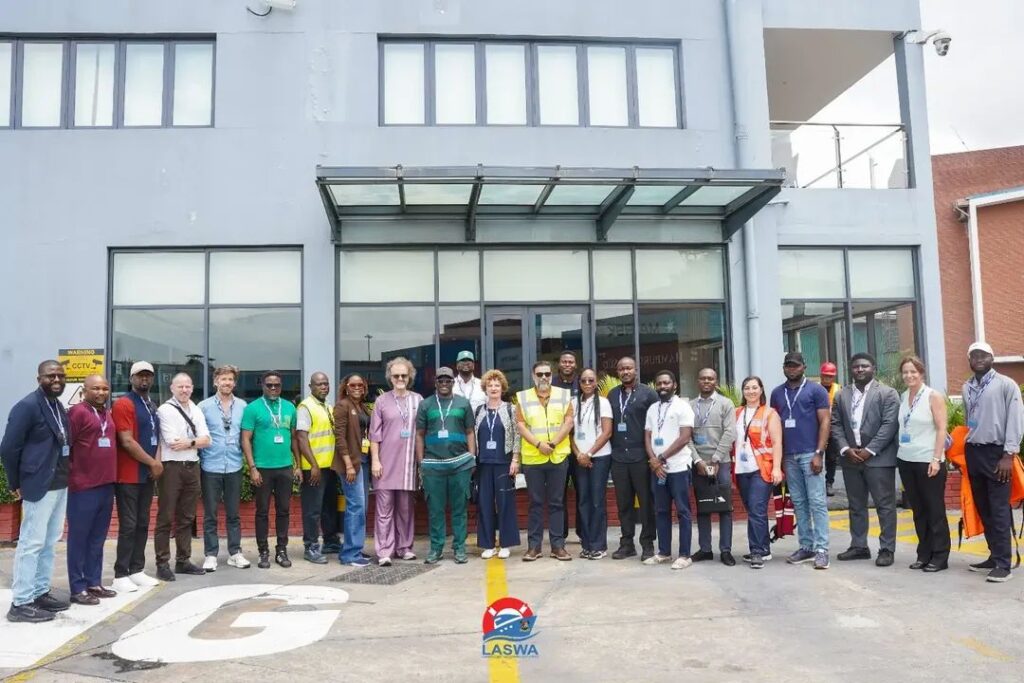
According to LASWA, the multimodal approach is expected to reduce travel times, ease road congestion and provide residents with safer, faster and more environmentally sustainable transportation options.
The inspection of the proposed Mile 2, Apapa and Marina terminals also enabled the EU delegation to evaluate the locations earmarked for future infrastructure development and their potential role in strengthening Lagos’ urban mobility network.
The OMI EKO Project forms part of the Lagos State Government’s broader strategy to unlock the economic potential of the state’s waterways while promoting cleaner and more efficient transport solutions in Africa’s largest city.
The visit is expected to deepen collaboration between the European Union and Lagos State on sustainable urban mobility initiatives, with both sides exploring opportunities to advance transport infrastructure that supports economic growth, environmental sustainability and improved quality of life for millions of Lagos residents.


